The Fruit Bowl on Your Counter Is Basically a Crime Scene of Botanical Lies
You've been lied to. Not in a dramatic, conspiracy-theory kind of way — more in a quiet, smug, "well, technically" kind of way. The kind of lie that botanists have been sitting on for centuries while the rest of us innocently tossed strawberries into our shortcake and called it a day.
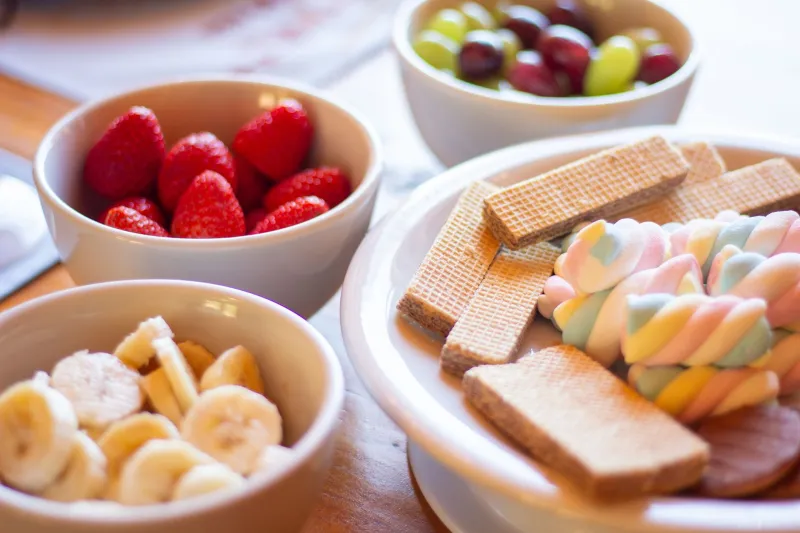
Here's the headline: bananas are berries. Actual, certified, botanical berries. And strawberries? Not even close. Neither are raspberries. Or blackberries. The word "berry" is right there in the name, and it still doesn't count. Science has some serious nerve.
What Even Is a Berry, Scientifically Speaking?
To understand why your fruit bowl is a botanical disaster zone, you need a quick crash course in how botanists define things — which, fair warning, is nothing like how normal humans define things.
In botanical terms, a berry is a fleshy fruit that develops from a single flower with one ovary. It has three distinct layers: the exocarp (the skin), the mesocarp (the fleshy middle part), and the endocarp (the inner layer surrounding the seeds). The seeds are embedded inside the flesh. That's it. That's the whole checklist.
Now run a banana through that checklist. One flower. One ovary. Fleshy layers. Seeds technically present (they're just tiny and undeveloped in the bananas we eat). Banana: certified berry. Congratulations, your smoothie just got a lot more interesting.
Want more chaos? Avocados are berries. Watermelons are berries. Pumpkins — yes, pumpkins — are technically berries, which means your Thanksgiving table had a berry on it this whole time and nobody sent a card.
So Why Aren't Strawberries Berries?
Here's where it gets truly personal. Strawberries fail the botanical berry test on a technicality that feels almost cruel.
The fleshy red part of a strawberry that you eat? That's not actually the fruit. It's the enlarged receptacle — essentially the base of the flower that swelled up and got delicious. The actual fruits of a strawberry are those tiny little yellow seed-looking dots on the outside. Each one of those is an individual fruit called an achene.
So a strawberry is, botanically speaking, an aggregate accessory fruit. Which is a real phrase that real scientists use. It sounds like something a lawyer would say right before delivering bad news.
Raspberries and blackberries share a similar fate. They're aggregate fruits made up of clusters of tiny individual drupelets — each little bubble on a raspberry is its own complete fruit. The whole berry-looking thing is basically a fruit apartment complex. Impressive architecture, wrong category.
The Grape Plot Twist Nobody Asked For
If you thought we were done, we are absolutely not done.
Grapes are berries. Classic, unremarkable, snack-pack grapes — botanical berries, no notes. But wait — so are kiwis. And tomatoes. Yes, the tomato discourse has been raging for ages over whether it's a fruit or a vegetable (it's a fruit, legally and botanically), but fewer people stop to note that it's also specifically a berry.
At this point, the grocery store produce section is less of an organized system and more of a philosophical challenge.
Why Does Any of This Actually Matter?
Fair question. If a strawberry tastes like a berry, gets marketed as a berry, and shows up in every berry medley from Maine to California — why should anyone care what a botanist thinks?
Turns out, it matters quite a bit in the worlds of agriculture, horticulture, and food science. When researchers are studying disease resistance, growth patterns, or genetic traits in plants, the botanical classification tells them something meaningful about how a plant is structured and how it reproduces. Lumping bananas in with strawberries just because they're both sweet and fruity is like a doctor grouping together patients because they both enjoy jazz. Technically a pattern, completely useless for diagnosis.
Farming practices also differ based on botanical classification. True berries tend to have different growing requirements, pollination needs, and harvesting challenges than aggregate fruits or accessory fruits. The distinction informs everything from irrigation schedules to pest management. So while it might feel like botanical pedantry, it's actually doing real work behind the scenes of your local farmers market.
The English Language Owes Botanists an Apology
The real villain in this story is the English language itself, which handed out the word "berry" with absolutely zero quality control. For centuries, people used the term loosely to mean "any small, roundish fruit" — and by the time botanists showed up with a precise definition, the damage was already done.
This is actually a surprisingly common problem in science communication. Botanical terms, medical terminology, psychological labels — they all have specific technical meanings that frequently collide with the casual versions people use in everyday conversation. "Theory" is another classic example. In everyday speech, a theory is a guess. In science, a theory is a well-tested explanation supported by substantial evidence. The gap between those two definitions has caused more arguments at Thanksgiving than any amount of pumpkin-berry pie.
Language evolved for communication, not precision. Science requires precision. The two have been awkwardly sharing a studio apartment ever since.
Your Move, Grocery Store
So where does this leave us, practically speaking? Probably in the same place we started — reaching for a pint of strawberries without a second thought, blissfully ignoring the aggregate accessory fruit situation happening in our hands.
And honestly, that's fine. You don't need to announce at brunch that the berries in the fruit salad aren't berries. (Although, if you do, please know that Daily Random Facts supports your chaotic energy entirely.)
But there's something genuinely delightful about learning that the world is weirder and more specific than the labels on it suggest. That a banana — humble, yellow, perpetually getting smashed at the bottom of your lunch bag — is quietly carrying the botanical credentials of a berry while the strawberry it gets paired with is living under a completely false identity.
The fruit bowl on your counter isn't just a snack. It's a collection of organisms with complicated taxonomic histories, evolutionary quirks, and identity crises that would make a therapist reach for a notepad.
Next time you grab a banana, give it a little nod. It's earned it.